Rich in history · Est. 1852
Our History
Andrew Jackson is said to have carved “this is War Trail Creek” onto a beech tree near present-day Wartrace. The town that grew here has been collecting stories ever since.
The short version
A depot becomes a town
The name Wartrace evolved from the Native Americans' words for war-path — the War Trace was a buffalo path used by tribes at war with the Nashville settlers in the 1790s. When Tennessee's first railroad was built through Bedford County in 1852, the settlement at the junction became Wartrace Depot.
Internationally regarded as the cradle of the Tennessee Walking Horse and home of the first National Grand Champion, Strolling Jim (1939), Wartrace is known for its Civil War history, world-famous handcrafted guitars, and preserved historic architecture.
About 140 structures here are listed on the National Register of Historic Places, most within the Wartrace Historic District along Main, Spring, and Vine Streets and Knob Creek Road — Italianate, Queen Anne, Bungalow, Classic Revival, and Minimal Traditional styles, approved to the Register on July 31, 1991. The Walking Horse Hotel (originally the Overall Hotel) joined the Register in 1984.
We are pleased to invite you to visit Wartrace, the little town where time stands still.
Wartrace Depot · Station Stops
The full timetable of town history
A buffalo path used by Native Americans at war with the Nashville settlers gives Wartrace Creek its name.
Jackson comes to establish the boundaries of his 5,000-acre grant along Wartrace Creek, returning in 1806 to survey lots for settlers.
Rice Coffey gives eight acres to the Nashville & Chattanooga Railroad for a main line, depot, and freight house at the junction of the Shelbyville branch.
Tennessee's first railroad reaches Bedford County. Town lots are laid off, a post office opens, and the settlement becomes Wartrace Depot.
The town is incorporated as Wartrace Depot, renamed Wartrace twenty years later.
Gen. Hardee's 14,000-man Confederate corps headquarters at Wartrace; Gen. Patrick Cleburne trains his famed Whitworth sharpshooters here.
The nine-acre town cemetery is named for the holly tree at its entrance.
Ridden by Floyd Carothers of Wartrace, Strolling Jim becomes the first World Grand Champion Tennessee Walking Horse. He rests behind the Walking Horse Hotel.
Guitar maker Don Gallagher and friends launch the Wartrace Pickin' and Fiddlers Convention — 2,000 strong its first year, later reborn as Wartrace MusicFest.
139 houses and structures join the National Register of Historic Places as the Wartrace Historic District — about 140 listings in all.
From the town archives
Wartrace, then
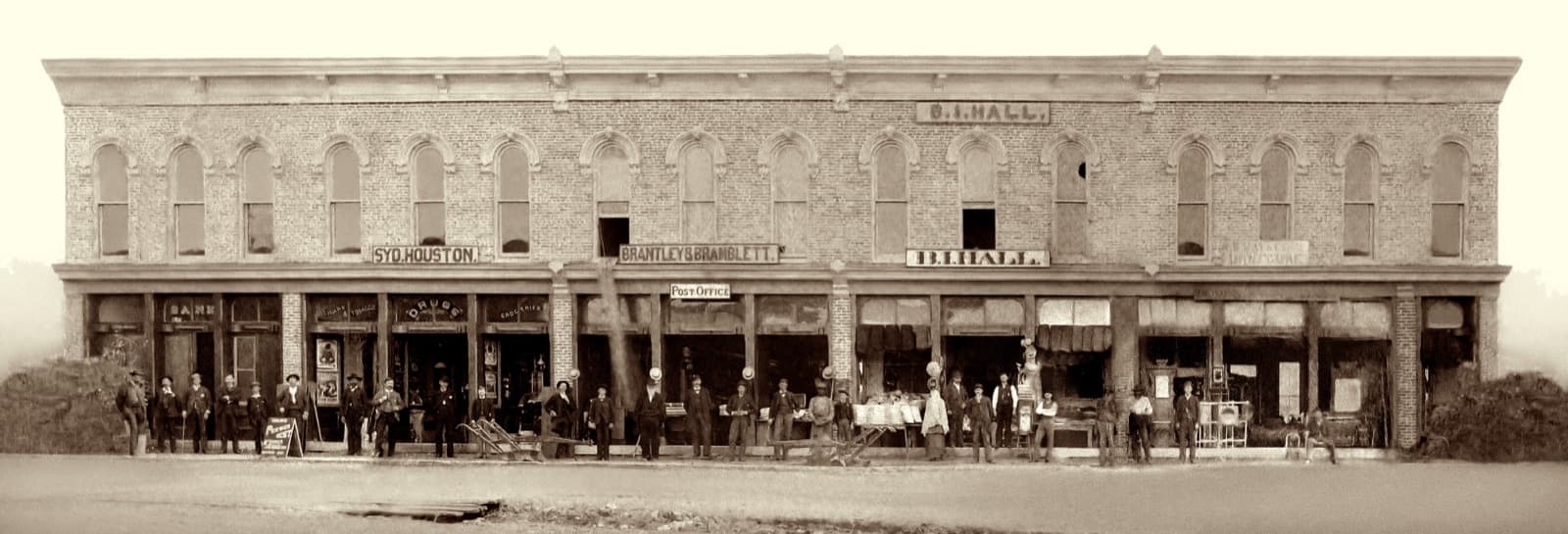
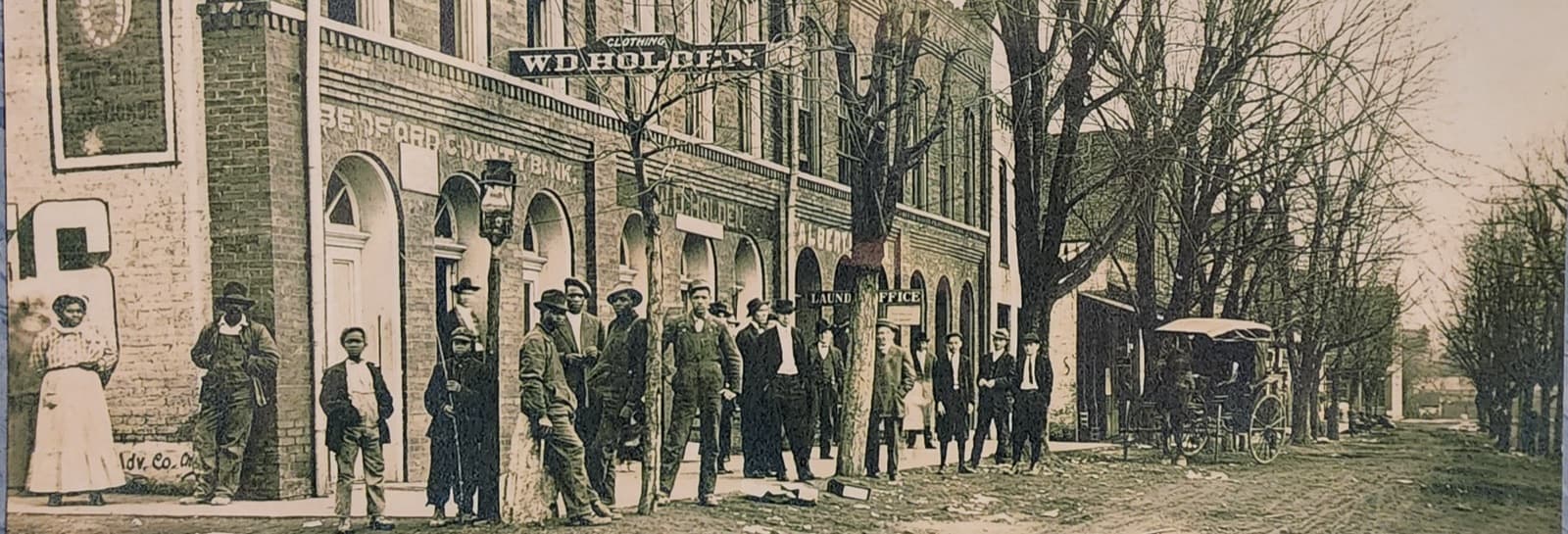
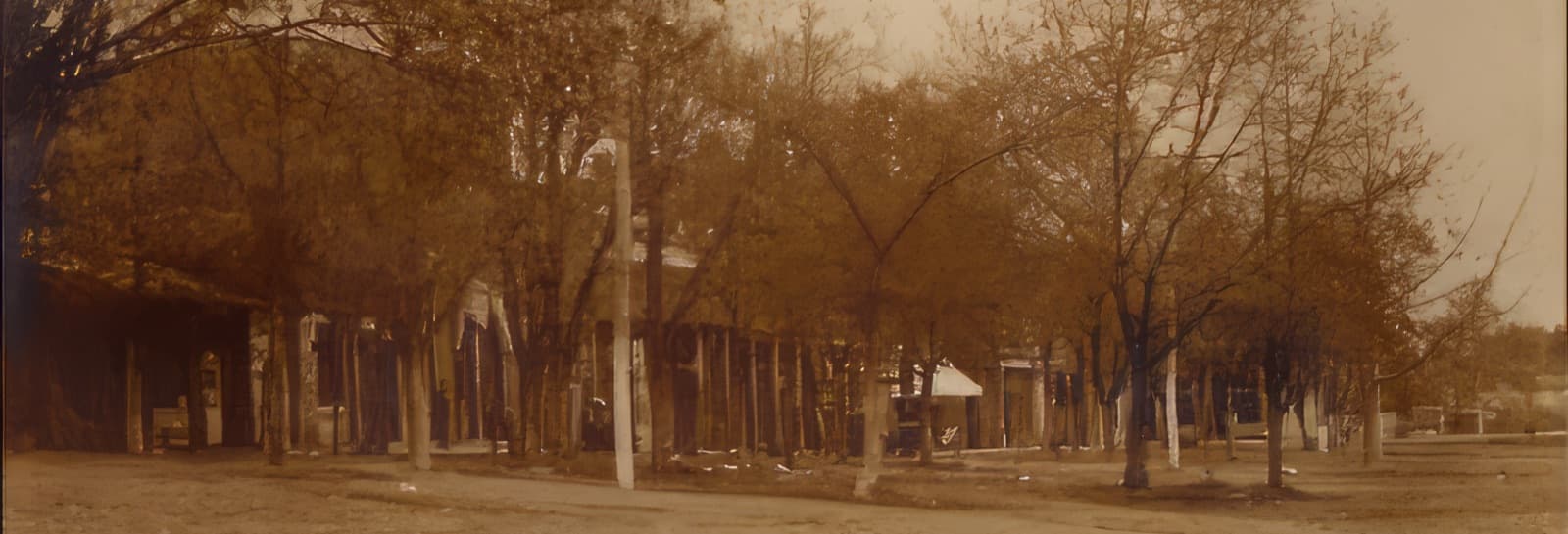
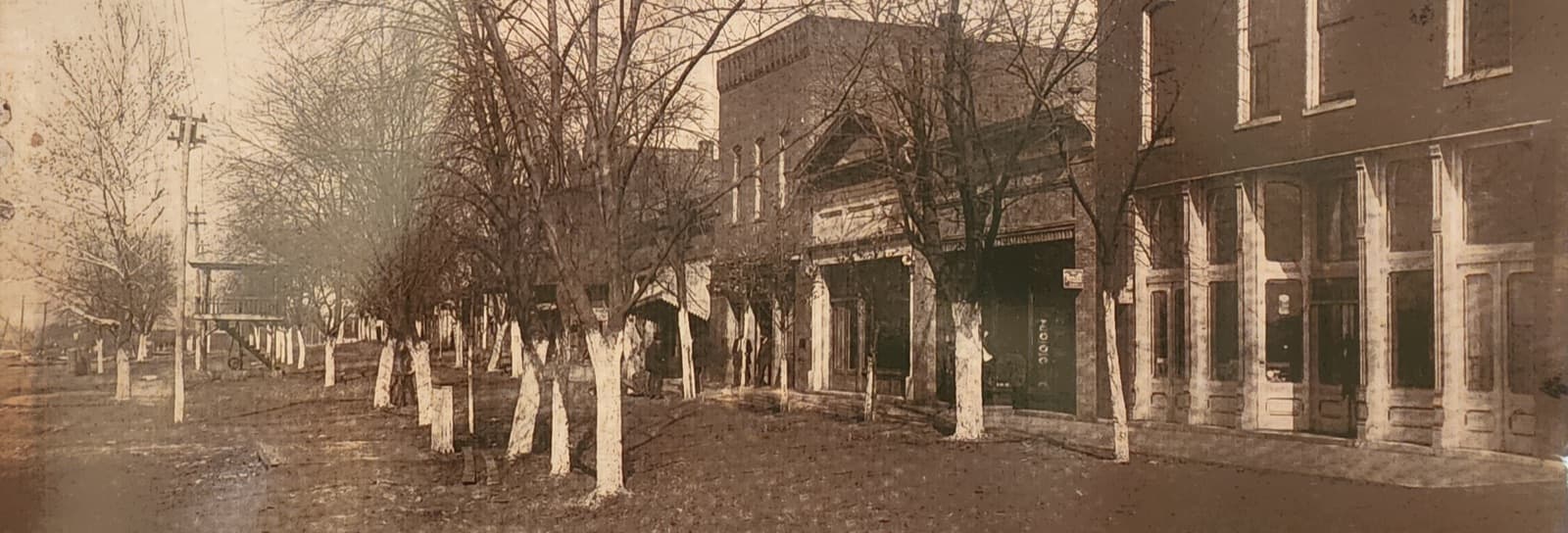
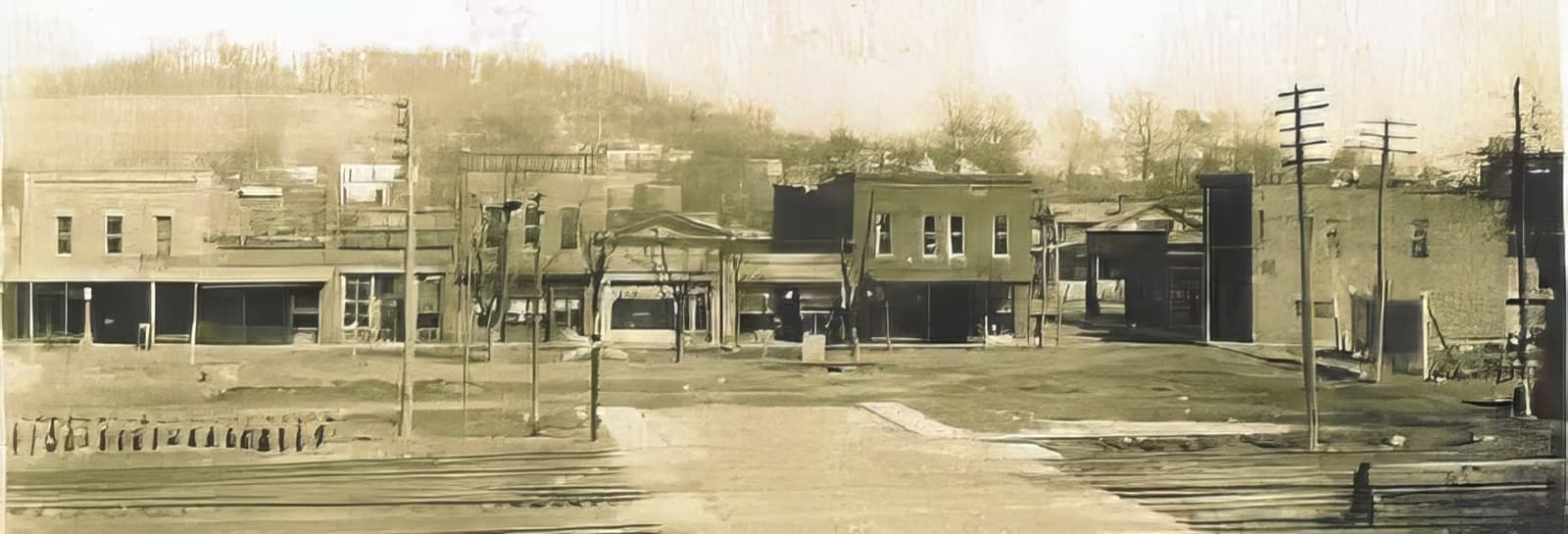
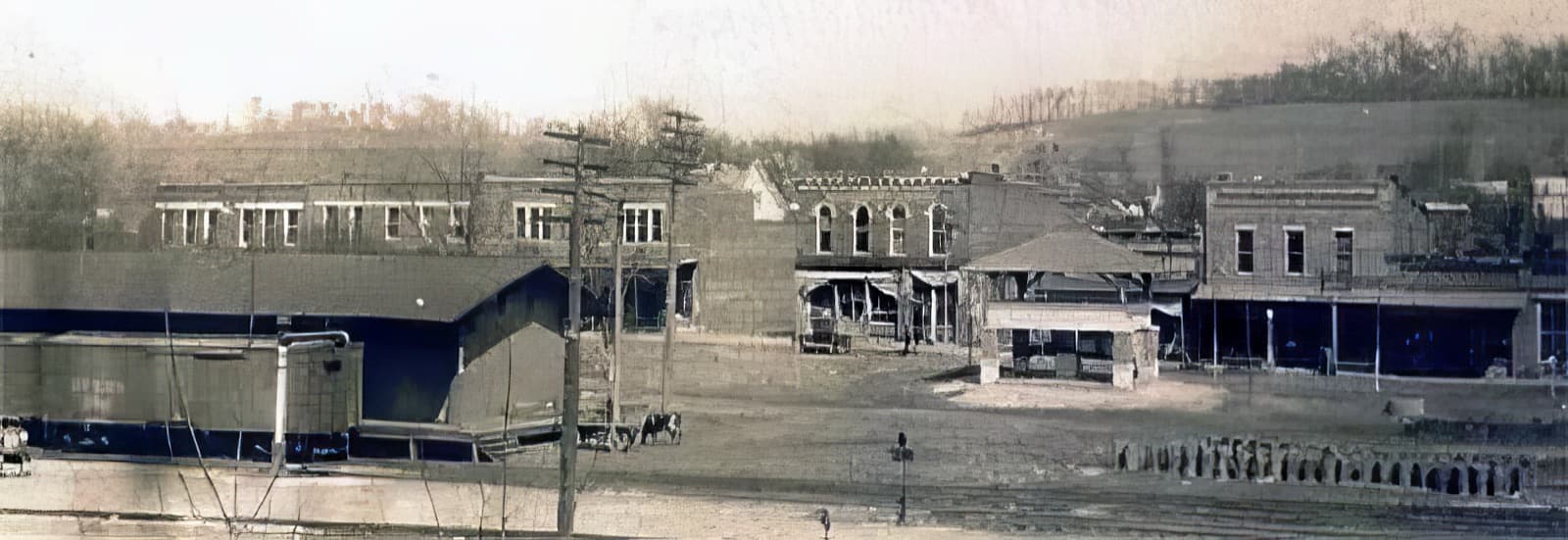
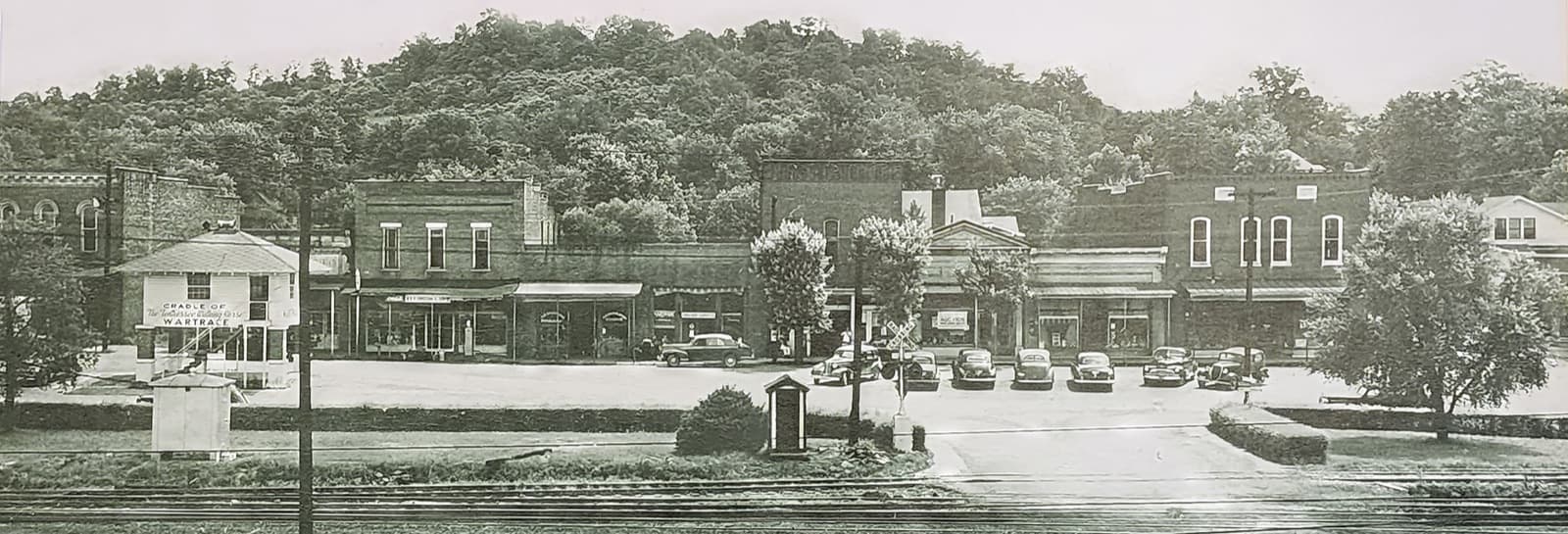
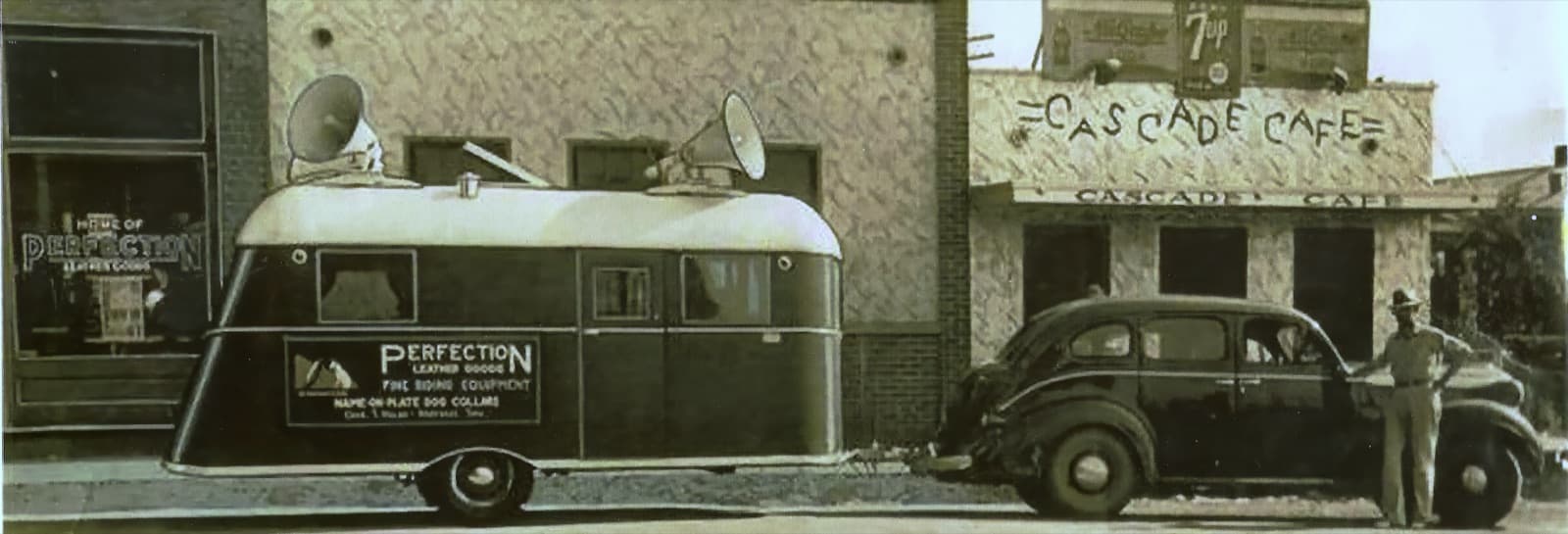
From the town's photo archives. Have old photographs of Wartrace? Town Hall would love a copy.
1886
Read the old history
In The History of Tennessee (1886) you can read about Bedford County as it was written at the time — Dr. John Sydney Houston was mayor, and Wartrace was booming with life, industry, and a sense of pride. The full book is digitized at the Internet Archive.
Maps & clippings
The paper trail
The town has collected 25 historical maps — from a 1784 treaty map through railroad-era surveys to the 1894–1910 fire insurance maps — plus newspaper clippings from the 1880s (“Wartrace on the Boom!”) through the 1914 news. The full collection is being digitized; visit Town Hall to see it, or check back here.